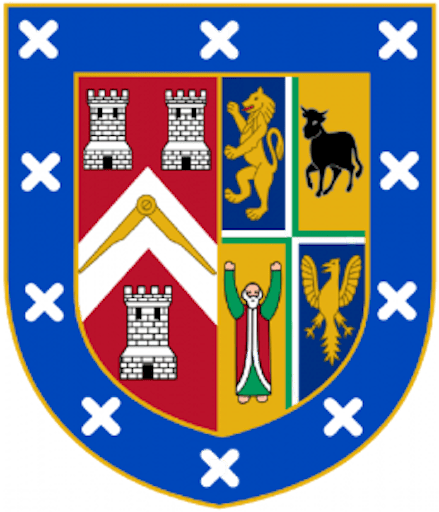
Freemasonry is a unique membership organisation that has attracted members for more than 300 years. It has no political or religious affiliations, and its members come from different ages, races, religions, cultures and backgrounds. We meet in individual lodges, where centuries-old ceremonial traditions encourage us to practise tolerance and respect for others, to develop ourselves as individuals and to fulfil our responsibilities to our communities.
Our social bond is equally important, and the time we spend outside the lodge, whether over a shared meal, a drink after the meeting or supporting one another in charitable work, is a core part of our members’ experience. For many members, the friendships formed through Freemasonry last a lifetime. Lodges meet throughout England and Wales, the Channel Islands and the Isle of Man, as well as in many countries around the world. Women’s Freemasonry has flourished under its own Grand Lodges for more than a century. Scotland has its own distinct tradition of Freemasonry under the Grand Lodge of Scotland.
One of the world’s oldest civic, social and charitable organisations, modern Freemasonry has its roots in the traditions of the medieval stonemasons who built Europe’s castles and cathedrals. Over time, these traditions evolved from those of working stonemasons into a voluntary fraternity centred on fellowship, morality, friendship and self-improvement. This development took place against the intellectual and social upheaval of the Enlightenment, when established ideas about society, individual responsibility and human progress were being vigorously debated.
For Freemasons today, four important values help define how we seek to live our lives: Integrity, Friendship, Respect and Service. In a world of rapid change and uncertainty, these principles remain as relevant today as they have been throughout Freemasonry’s history.
Ceremony is an integral part of Freemasonry. A Freemason’s journey is deliberately progressive. New members begin with Initiation, becoming Entered Apprentices. They then progress through the ceremonies of Passing, becoming Fellow Crafts, and Raising, becoming Master
Masons. These three stages form what is known as Craft Freemasonry. A Master Mason may then choose to continue into the Royal Arch, taking part in the ceremony of Exaltation. Together, these ceremonies use allegory, symbolism and shared experience to explore ideas of character, responsibility, fellowship and service.
The ceremonies are learned, rehearsed and performed by members for one another. They provide continuity with generations of Freemasons who have gone before and give members the opportunity to reflect on the principles at the heart of Freemasonry. But a lodge meeting is also
a social occasion. The formal meeting is commonly followed by dinner, traditionally known as the Festive Board, where members relax, talk and enjoy one another’s company. Ceremony provides a shared experience; friendship gives Freemasonry much of its enduring strength.
Service is equally central to Freemasonry. Whether fundraising or charitable causes, volunteering for community organisations, supporting people in need or contributing their time, resources and skills, Freemasons seek to make a practical difference to the society around them. Charity is important, but the service Freemasons give extends beyond money: it is also about participating actively in the life of our communities.
The United Grand Lodge of England (UGLE), the governing body for Freemasonry in England and Wales, the Channel Islands and the Isle of Man, as well as a number of lodges overseas. It is the oldest Grand Lodge in the world and one of the principal Grand Lodges representing Freemasonry in Great Britain today.
Contemporary Freemasonry
Putting Others First
Explaining Freemasonry in the 21st century.
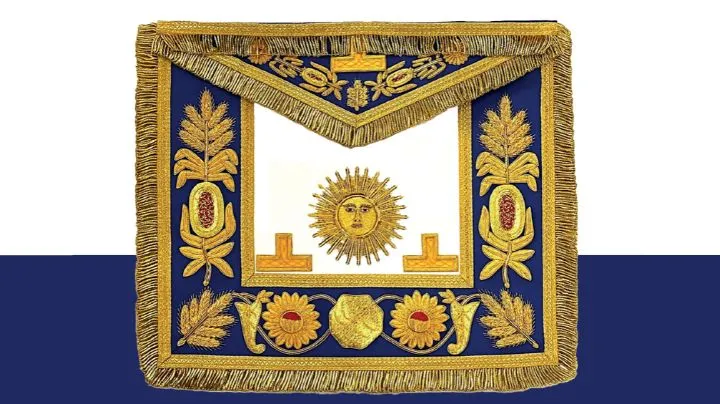
Watch and Discover more
Becoming a Freemason means you’ll be joining more than 200,000 members throughout England and Wales, as well as Districts overseas under the banner of the United Grand Lodge of England.
Guiding principles of Freemasonry.
What do Freemasons believe? For Freemasons, there are four important values that help define their path through life: Integrity, Friendship, Respect and Service. In today’s world filled with uncertainty, these principles ring as true now as they have at any point in the organisation’s history.
INTEGRITY
Honesty, trustworthiness, honour, reliability, and conscientiousness form the foundation of a virtuous character. They foster trust, maintain integrity, and demonstrate commitment, ultimately leading to a life of strong principles and dependable actions.
RESPECT
From its earliest days, Freemasonry has respected the beliefs of its members. It promotes an environment where diversity is valued. It is a space where different beliefs and backgrounds converge, fostering an atmosphere of inclusivity, tolerance and harmony.
FRIENDSHIP
Freemasonry gives members many opportunities to make a wide circle of friends for life who share common interests and values. It provides a bond of friendship and a sense of belonging. This promotes a feeling of enjoyment and fulfilment.
SERVICE
Whether participating in events, fundraising for a charitable cause or volunteering for public or community organisations, service is at the very heart of Freemasonry. Our members make valuable contributions by donating time, resources and skills.